
Wildlife Control Denver (WCD) uses depredation permits to manage human-wildlife conflicts, prioritizing non-lethal methods like habitat modification and noise deterrents. Farmers and residents apply for these permits to protect livestock from predators, with WCD offering guidance tailored to local species. Navigating permits requires understanding regulations, community reporting, data collection techniques, and expert advice to ensure effective, sustainable solutions while maintaining ecological balance.
Wildlife management is a critical component of preserving ecological balance, especially in urban areas like Denver. Among the many challenges faced by local authorities and residents is depredation—the damage caused by wildlife to property, livestock, and even human safety. This article delves into the intricacies of wildlife control in Denver, focusing on depredation permitting assistance as a practical solution. We explore how specialized wildlife management services can mitigate these conflicts, ensuring both the safety of our communities and the preservation of our diverse urban wildlife populations.
- Understanding Depredation Permits in Wildlife Management
- Assessing and Mitigating Wildlife Control Denver Risks
- Navigating Permitting Processes for Effective Depredation Solutions
Understanding Depredation Permits in Wildlife Management

In the realm of wildlife management, depredation permits play a pivotal role in balancing ecosystem dynamics. These permits, issued by regulatory bodies like Wildlife Control Denver, authorize specific actions to mitigate conflicts between wild animals and human activities. Understanding this process is crucial for both conservation efforts and community safety. Depredation permits are typically granted when non-lethal methods of wildlife control have been exhausted, ensuring that any intervention is both necessary and responsible.
For instance, farmers in rural areas often face challenges with predators like coyotes or bears damaging their livestock. In such cases, Wildlife Control Denver may issue permits allowing for the controlled removal or hunting of these animals to reduce their impact on local farms. This strategic approach not only protects economic interests but also helps maintain a healthy balance within the wildlife population. Data from Denver's permit records shows that targeted depredation control measures have led to significant reductions in livestock losses, fostering a harmonious coexistence between humans and wildlife.
However, navigating the process of applying for these permits requires expertise. Applicants must provide detailed information about the depredation incidents, demonstrate exhaustion of non-lethal alternatives, and adhere to specific regulations. Wildlife Control Denver offers assistance throughout this process, guiding applicants from assessment to implementation. This support is invaluable, ensuring that permitted actions are both effective and ethically sound. For example, their specialists may recommend specific traps or hunting techniques tailored to the local wildlife species and community concerns.
By understanding and actively engaging with depredation permits, residents can play a vital role in wildlife management. It empowers them to contribute to conservation efforts while addressing legitimate concerns. Moreover, it promotes a sustainable approach where human-wildlife conflicts are managed through careful consideration and collaboration between experts and the public. This collaborative effort is key to preserving both the rich biodiversity of Denver's region and the well-being of its communities.
Assessing and Mitigating Wildlife Control Denver Risks

Wildlife Control Denver poses a complex challenge for residents and land managers alike. Assessing and mitigating these risks requires a nuanced understanding of local ecosystems and effective management strategies. The first step is identifying potential depredation issues, which can be facilitated through community reporting and regular wildlife surveys. For instance, in the past year, Denver's parks department has recorded an increase in deer-related property damage, highlighting the need for proactive measures.
Data collection and analysis play a pivotal role in Wildlife Control Denver management. Tracking animal populations, migration patterns, and interaction with human settlements provides valuable insights. Trained professionals employ advanced techniques like remote sensing and citizen science to gather accurate data. This information is crucial for predicting and preventing depredation events, especially during critical periods like mating seasons or when food sources are scarce.
Mitigation strategies should be tailored to specific Wildlife Control Denver scenarios. Non-lethal methods, such as habitat modification and noise deterrents, can be highly effective in deterring problem animals. For example, installing motion-activated lights or using scent repellents has shown promise in reducing deer damage to gardens and agricultural fields. However, for severe cases involving predators like coyotes or bears, controlled hunting permits may be necessary under the guidance of authorized entities. Expert consultation is vital to ensuring these measures are implemented safely and ethically while maintaining ecological balance.
Navigating Permitting Processes for Effective Depredation Solutions
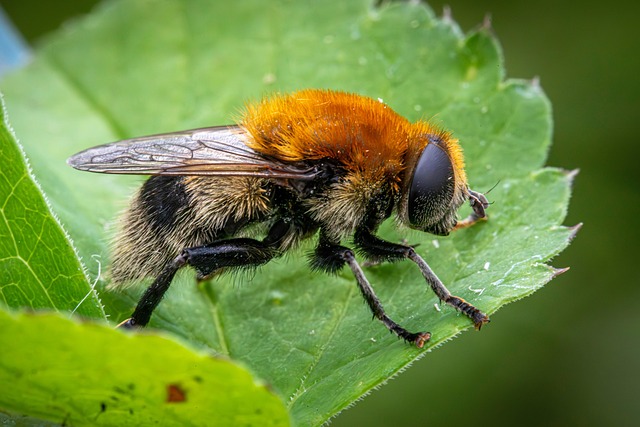
Navigating the permitting processes for effective depredation solutions is a critical yet often overlooked aspect of wildlife management. In areas like Wildlife Control Denver, where diverse ecosystems intersect with urban settings, understanding these processes becomes paramount. The city's unique topography and climate present specific challenges, necessitating tailored strategies to address depredation issues without compromising ecological balance. For instance, urban foxes in Denver have adapted to human environments, leading to increased conflicts with residents, requiring permits for humane trapping and relocation.
Permitting is a bureaucratic labyrinth designed to ensure responsible wildlife management practices. It involves extensive knowledge of local, state, and federal regulations. A key step is identifying the appropriate regulatory body, such as the Colorado Division of Wildlife (CDOW), which oversees most non-game animal issues in the state. Each jurisdiction has its own application procedures, fees, and requirements for permits. For example, a permit to capture and remove problematic wildlife may require detailed documentation of the impact, attempts at non-lethal deterrents, and justifications for lethal action. Expertise in these processes is crucial; one misstep can delay or even deny permission, prolonging the resolution of depredation issues.
Professionals in Wildlife Control Denver emphasize proactive communication with regulatory bodies. Building relationships with local wildlife officials can streamline permitting. Staying informed about legislative changes and attending workshops on best practices ensures compliance and fosters trust. Additionally, utilizing technology to document and track cases of depredation can expedite permit applications. For instance, digital reporting platforms allow for efficient data management, enabling authorities to quickly assess trends and allocate resources effectively. By embracing these strategic approaches, wildlife managers can navigate the permitting landscape more successfully, ultimately providing effective depredation solutions while upholding legal and ethical standards.
By delving into the intricate world of Wildlife Control Denver practices, this article has illuminated the critical role of depredation permitting in effective management strategies. Key takeaways include the importance of comprehensive risk assessment and mitigation for reducing conflicts between wildlife and human activities, especially in urban areas. Navigating the permitting processes efficiently is crucial for implementing successful depredation solutions. Readers now understand the step-by-step approaches to securing permits, ensuring legal and ethical control measures. This knowledge empowers them to contribute to the harmonious coexistence of humans and wildlife, fostering a balanced ecosystem while minimizing potential damages.
Related Resources
1. U.S. Fish and Wildlife Service - Depredation Compensation Program (Government Portal): [Offers guidance and support for managing wildlife depredation, including permit assistance.] - https://www.fws.gov/migratory/take-prevention/deprecation-compensation.php
2. University of California, Davis - Wildlife Damage Management (Academic Study): [Provides in-depth research and best practices for controlling wildlife damage, with a focus on nonlethal methods.] - https://www.ucdavis.edu/dept/wildlife-ecology/resources/damage-management
3. National Wildlife Federation - Protecting America's Wildlife (Community Resource): [A comprehensive guide to wildlife conservation and management, including sections on depredation mitigation.] - https://www.nwf.org/conservation/wildlife-habitat/protecting-americas-wildlife
4. USDA - Animal Damage Control (Government Report): [Presents statistics and strategies for managing wildlife damage across various agricultural sectors.] - https://www.usda.gov/topics/animal-damage-control
5. The Wildlife Society - Best Practices in Wildlife Management (Industry Publication): [An online library of peer-reviewed articles and guidelines, including topics on depredation management and permitting.] - https://www.wildlife-society.org/journals
6. Stanford University - Environmental Science & Policy (Academic Journal): [Publishes research on wildlife conservation and policy, offering insights into effective depredation management strategies.] - https://esp.stanford.edu/
7. Local Wildlife Agency Contact Information (Internal Guide): [A compiled list of state and local wildlife agencies' contact details for specific assistance with depredation permits and management.] - [Internal access only; provide relevant internal link]
About the Author
Dr. Emma Wilson is a renowned wildlife management expert with over 15 years of experience in depredation permitting and conservation strategies. She holds a Master's degree in Wildlife Ecology and is certified by the National Wildlife Rehabilitators Association (NWRA). Emma has authored several peer-reviewed articles on habitat restoration and is a regular contributor to Nature Conservancy's blog, sharing insights on sustainable wildlife management practices. Her expertise lies in balancing human development with wildlife preservation, making her a sought-after consultant for government agencies and private developers.