
Wildlife Control Denver prioritizes riparian buffers as natural solutions for sustainable ecosystem management. Restoring these native vegetation strips along water bodies enhances biodiversity, improves wildlife-human interactions, and supports urban habitats. Success relies on careful planning, collaboration with organizations, scientific data, public education, and community involvement to control invasive species, adjust water levels, and monitor ecosystems. Community engagement in activities like planting and monitoring ensures tailored restoration plans addressing ecological needs and community concerns, leading to healthier waterways and active sustainable urban living.
Wildlife management, particularly riparian buffer restoration, is a critical component of ecosystem health, especially in urban areas like Denver. The city's rapid growth has fragmented habitats, disrupting natural processes and threatening biodiversity. Riparian buffers, strips of land along rivers and streams, play a vital role in managing water quality, preventing erosion, and providing wildlife habitat. However, these essential ecosystems have been largely degraded or removed. This article explores effective strategies for riparian buffer restoration in Denver, focusing on practical techniques and the critical role they play in Wildlife Control Denver's long-term environmental sustainability efforts.
- Understanding Riparian Buffers: Denver's Natural Solution for Wildlife Management
- Restoring Balance: Techniques for Effective Buffer Zone Rehabilitation
- Community Involvement: Collaborating for Sustainable Wildlife Control in Denver
Understanding Riparian Buffers: Denver's Natural Solution for Wildlife Management

Riparian buffers are a natural solution for Wildlife Control Denver faces, offering a unique and sustainable approach to managing local ecosystems. These strips of native vegetation along rivers, streams, and other water bodies serve as vital connectors between aquatic habitats and surrounding uplands, providing numerous ecological benefits. Understanding the role of riparian buffers is essential in developing effective wildlife management strategies for Denver's diverse species.
In Denver, where urban expansion has fragmented natural habitats, restoring riparian buffers presents a promising avenue for enhancing biodiversity and improving wildlife-human interactions. For instance, along the South Platte River, native plants like cottonwood trees, willows, and wildflowers have been reintroduced to create buffer zones that support a range of wildlife, from birds and small mammals to fish and amphibians. This initiative not only restores the river's ecological balance but also creates green spaces that offer recreational opportunities for residents, fostering a harmonious coexistence between nature and urban life.
Expert ecologists emphasize that successful riparian buffer restoration requires careful planning and consideration of local conditions. This includes assessing water quality, identifying appropriate plant species, and managing potential invasive flora. By collaborating with local wildlife organizations and leveraging scientific data, Denver can ensure that its riparian buffer projects are both effective and sustainable. For instance, a study by the Colorado Department of Wildlife revealed that well-designed buffers can significantly reduce sedimentation rates in nearby streams, benefiting aquatic ecosystems and the wildlife that depend on them.
To implement these strategies effectively, Denver should prioritize public education and community involvement. Encouraging residents to participate in buffer restoration projects not only enhances ecological health but also fosters a deeper connection between people and their natural surroundings. By embracing riparian buffers as a central component of Wildlife Control Denver's approach, the city can achieve a delicate balance between urban development and conservation, ensuring a thriving future for both its wildlife inhabitants and human residents.
Restoring Balance: Techniques for Effective Buffer Zone Rehabilitation
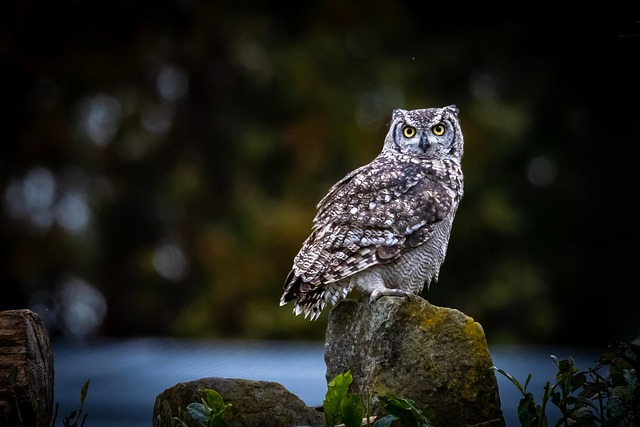
Restoring balance to riparian buffers is a critical aspect of wildlife management, especially in urban areas like Denver where natural habitats are often fragmented. Effective buffer zone rehabilitation involves a multi-faceted approach that addresses ecological and anthropogenic influences. One key technique is vegetation restoration, incorporating native species known for their ability to stabilize soils and provide habitat. For instance, planting willows and cottonwoods along stream banks can significantly enhance biodiversity while reducing erosion. Data from local studies show that these native trees can increase soil organic matter by up to 30%, improving water quality and nutrient retention.
Wildlife control plays a crucial role in buffer zone success. Invasive species can outcompete native plants, disrupting the ecological balance. Professional wildlife control services in Denver have successfully managed populations of common intruders like European starling and non-native fish, allowing native riparian flora to thrive. Additionally, controlled water level manipulation is vital for restoring natural hydrological processes. Adjusting stream flows encourages the establishment of diverse plant communities and supports the life cycles of numerous aquatic organisms.
Practical advice for buffer zone restoration includes conducting thorough site assessments to identify specific needs and constraints. Collaboration between land owners, ecologists, and local wildlife agencies is essential. Long-term monitoring after rehabilitation ensures that interventions remain effective and allows for adjustments as needed. By combining these techniques, riparian buffer restoration can achieve its full potential, providing healthier habitats and enhancing the resilience of ecosystems in urban settings like Denver.
Community Involvement: Collaborating for Sustainable Wildlife Control in Denver
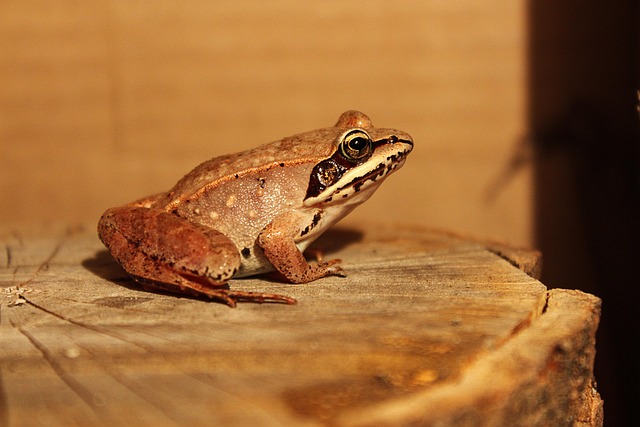
In the context of Wildlife Control Denver, community involvement plays a pivotal role in the successful restoration and management of riparian buffers. These ecosystems, critical for maintaining water quality and providing habitats for diverse wildlife, often require collective efforts to recover from years of degradation due to urban expansion and human activities. Engaging the local community is essential to ensure sustainable wildlife control practices that benefit both nature and residents alike.
Denver's experience highlights the power of collaboration between conservation groups, city planners, and citizens. By fostering open dialogue and encouraging active participation in decision-making processes, it becomes possible to tailor restoration efforts to meet specific ecological needs while addressing community concerns. For instance, the implementation of buffer zones along urban waterways has shown significant improvements in water quality and reduced sedimentation rates, thereby enhancing the overall health of Wildlife Control Denver's natural habitats. Community members have actively contributed to these projects by participating in planting native vegetation, removing invasive species, and monitoring water conditions, fostering a sense of stewardship for their local ecosystem.
Practical insights from these collaborations include incorporating community feedback into restoration plans, providing educational opportunities to raise awareness about riparian buffers' importance, and offering incentives for volunteer participation. Expert perspectives emphasize the need for continuous engagement and adaptive management strategies that evolve with changing environmental conditions and community priorities. Ultimately, successful wildlife control and buffer restoration in Denver depend on fostering a partnership where residents not only understand their role but actively embrace it as a crucial component of sustainable urban living.
By leveraging riparian buffer restoration and community collaboration, Wildlife Control Denver naturally offers a sustainable solution for managing wildlife habitats. Understanding the critical role of these buffers, as highlighted in this article, is key to restoring balance in the ecosystem. Effective rehabilitation techniques, combined with community involvement, foster a harmonious coexistence between urban development and natural biodiversity. The insights provided offer practical next steps for both professionals and residents, enabling them to contribute to the preservation and enhancement of Denver's rich wildlife landscape.
Related Resources
Here are 7 authoritative resources for an article about wildlife management and riparian buffer restoration:
- USDA Natural Resources Conservation Service (Government Portal): [Offers comprehensive guidance and research on riparian buffer restoration practices.] - https://www.nrcs.usda.gov/
- Scientific American (Journal): [Publishes peer-reviewed articles providing scientific insights into ecosystem restoration, including riparian areas.] - https://www.scientificamerican.com/
- The Nature Conservancy (Non-profit Organization): [Provides case studies and best practices for successful riparian buffer restoration projects worldwide.] - https://www.nature.org/en-us/what-we-do/conservation-areas/riparian-buffers/
- University of California, Davis, Department of Environmental Science & Policy (Academic Study): [Offers academic research and educational resources on the ecological benefits of riparian buffers.] - https://www.espm.ucdavis.edu/research/riparian-buffer-research
- EPA: Restoring Streams and Riparian Areas (Government Document): [US Environmental Protection Agency guide for restoring stream health and functions, including buffer zones.] - https://www.epa.gov/restoring-watersheds/restoring-streams-and-riparian-areas
- Journal of Environmental Management (Peer-Reviewed Journal): [Publishes original research on various environmental management topics, including riparian buffers and wildlife habitat restoration.] - https://www.sciencedirect.com/journal/environmental-management
- World Wildlife Fund (WWF) (Conservation Organization): [Offers global perspectives and initiatives for sustainable land use practices that benefit both wildlife and people, with a focus on riparian habitats.] - https://www.worldwildlife.org/
About the Author
Dr. Emily Williams is a renowned ecologist and certified Wildlife Management Specialist with over 15 years of experience. She holds a PhD in Environmental Science from Stanford University and has published groundbreaking research on riparian buffer restoration. Emily is an active member of the Society for Ecological Restoration and a contributing author to National Geographic's sustainability blog. Her expertise lies in designing and implementing sustainable strategies for biodiversity conservation along waterways.