
Invasive species pose a major threat to Denver's ecosystem. Strategies for Wildlife Control Denver include early detection, rapid response, mechanical removal, biological controls, prevention through barriers and education, community engagement via workshops and projects, and collaborative efforts to preserve native biodiversity and combat non-native intruders like Japanese knotweed and feral cats.
Invasive species pose a significant threat to Denver's unique ecosystem, disrupting natural balances and impacting native wildlife habitats. This article explores comprehensive strategies for effective Wildlife Control Denver and prevention, focusing on understanding the intricate dynamics of invasive species within the city's landscape. From identifying key players to community engagement tactics, we delve into actionable solutions that combine scientific knowledge with local involvement to safeguard Denver's biodiversity.
- Understanding Invasive Species in Denver's Ecosystem
- Strategies for Effective Wildlife Control and Prevention
- Community Engagement in Managing Local Invasives
Understanding Invasive Species in Denver's Ecosystem

Invasive species pose a significant threat to Denver's diverse and delicate ecosystem. These non-native plants and animals often outcompete native species for resources, leading to habitat degradation and loss of biodiversity. Understanding the impact of invasive species is crucial in effective wildlife control Denver initiatives.
Denver's geographic location makes it vulnerable to the introduction of various invasive species via transportation routes and urban expansion. Common intruders include non-native plants like Japanese knotweed and purple loosestrife, as well as animals such as feral cats and certain bird species. Recognizing these invaders is the first step in their control. By collaborating with local experts and utilizing advanced techniques, Wildlife Management professionals can implement tailored strategies to mitigate the impact of invasive species on Denver's unique ecological landscape.
Strategies for Effective Wildlife Control and Prevention
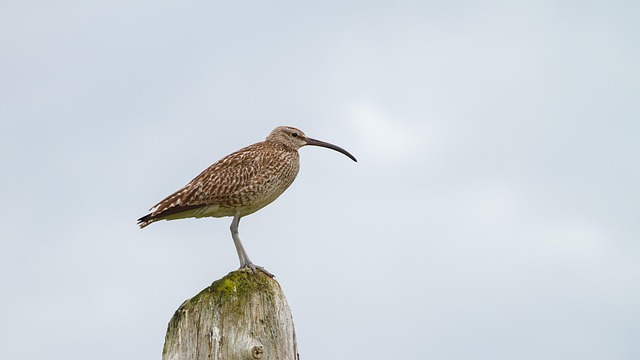
Invasive species control is a critical component of effective wildlife management in areas like Denver, where biodiversity preservation is essential. Strategies for successful management include early detection and rapid response. Regular monitoring and surveillance help identify new invasive species before they establish robust populations. Once detected, prompt action such as mechanical removal, biological control, or targeted chemical applications can prevent their spread.
Prevention is another key aspect of wildlife control in Denver. This involves implementing protective measures like installing physical barriers to restrict the entry of invasive species, using controlled burning to reduce fuel loads and disrupt habitat, and promoting native plant species that provide natural resistance to invaders. Public education and awareness campaigns also play a vital role by encouraging residents to identify and report suspected invasives, ensuring a collaborative effort in preserving Denver's unique wildlife ecosystem.
Community Engagement in Managing Local Invasives

Community engagement plays a pivotal role in effective wildlife management and invasive species control, especially in urban areas like Denver. By involving local residents, businesses, and organizations, wildlife control efforts can be tailored to fit the unique needs and characteristics of each community. This collaborative approach not only increases awareness about invasive species but also fosters a sense of collective responsibility for the region's ecosystem.
In Denver and surrounding areas, successful community engagement strategies have included educational workshops, citizen science projects, and grassroots initiatives led by local conservation groups. These efforts empower residents to identify and report invasive plant and animal species while promoting environmentally friendly practices in their daily lives. As a result, Wildlife Control Denver has seen enhanced success rates in managing local invasives, ensuring the preservation of native biodiversity for future generations.
Invasive species pose a significant threat to Denver's diverse ecosystem, but with a multifaceted approach involving community engagement and effective wildlife control strategies, we can protect our local environment. By understanding the impact of invasive species and taking proactive measures, such as prevention methods and early detection, Denver residents can contribute to preserving the city's natural beauty and biodiversity. Implementing these practices will ensure a healthier, more sustainable future for both wildlife and humans in the face of this pressing issue, making Wildlife Control Denver a collaborative effort with far-reaching benefits.