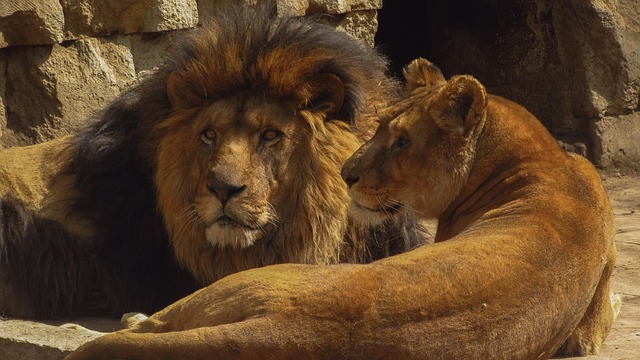
Wildlife Control Denver proactively maintains urban ecosystem health through advanced disease surveillance. They detect pathogens early, like avian influenza, enabling swift public health actions. Data-driven strategies include targeted vaccinations and tailored conservation efforts against parasites. Key methods involve monitoring and managing wildlife populations, installing physical barriers, educating communities, and employing integrated pest management. This holistic approach ensures ecological balance while protecting residents from diseases like Lyme and chronic wasting disease.
Wildlife Management and disease surveillance are paramount for maintaining ecological balance, particularly in urban environments like Denver. The growing intersection of human habitats and wild spaces necessitates proactive approaches to managing wildlife populations and preventing the spread of diseases that can impact both wildlife and humans. Effective wildlife control strategies, tailored to Denver's unique landscape, play a crucial role in preserving biodiversity while mitigating potential health risks. This article delves into the intricacies of wildlife disease surveillance, highlighting its importance and exploring innovative solutions for sustainable management practices in urban settings.
- Understanding Wildlife Disease Surveillance in Denver
- The Role of Wildlife Control: Strategies for Disease Prevention
- Effective Management Practices: Protecting Denver's Ecosystem
Understanding Wildlife Disease Surveillance in Denver
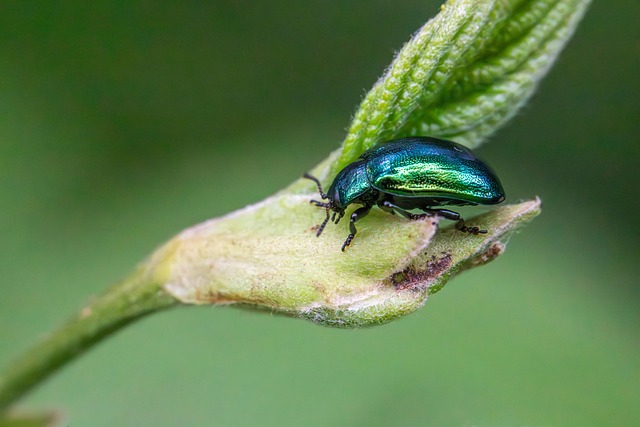
Wildlife disease surveillance is a critical component of comprehensive wildlife management, particularly in urban environments like Denver. The city's diverse ecosystem, including various species of birds, mammals, and reptiles, presents unique challenges for maintaining ecological balance. Wildlife Control Denver plays a pivotal role in monitoring and managing these populations, with a particular focus on disease prevention and control. Through robust surveillance systems, experts can detect emerging diseases early, implement targeted interventions, and mitigate potential outbreaks that could disrupt the delicate tapestry of urban wildlife.
One notable example is the successful management of avian influenza, which has impacted bird populations across North America. Denver's proactive approach involved regular sampling and testing of bird carcasses, as well as surveillance of migratory patterns to identify high-risk areas. This early detection enabled prompt actions such as quarantine measures and education campaigns for residents, effectively preventing widespread transmission. Such efforts not only protect local wildlife but also safeguard public health by minimizing the risk of zoonotic disease transmission from infected animals.
Data collected during surveillance activities provides valuable insights into disease dynamics and allows for evidence-based decision-making. For instance, tracking the incidences of parasites like toxoplasmosis in urban felines helps Wildlife Control Denver strategize targeted vaccination campaigns to reduce their impact on vulnerable species. This data-driven approach ensures that management strategies are tailored to the specific needs of Denver's wildlife community, fostering a healthier and more resilient urban ecosystem. Moreover, continuous surveillance enables experts to adapt quickly to new disease threats, ensuring effective long-term wildlife conservation in the city.
The Role of Wildlife Control: Strategies for Disease Prevention

Wildlife Control plays a pivotal role in wildlife disease surveillance, particularly in urban areas like Denver, where human populations and wild species coexist closely. Effective control strategies are essential to prevent the spread of zoonotic diseases—those that can transmit between animals and humans. In Denver, for instance, efforts have focused on monitoring and managing populations of urban rodents, raccoons, and birds known to harbor pathogens like rabies, West Nile virus, and salmonella. Regular trapping and testing programs, coupled with public education campaigns, have significantly reduced disease outbreaks in recent years.
One proven strategy involves implementing physical barriers to limit wildlife access to human settlements. This includes sealing off potential entry points in homes and businesses, securing garbage bins with tight-fitting lids, and installing fence systems designed to deter specific species. In the Denver area, where urban expansion has fragmented habitats, these measures have been effective in reducing direct human-wildlife contact, thereby lowering disease transmission risks. Additionally, wildlife control teams work collaboratively with local communities to educate residents on safe practices when encountering wild animals, such as avoiding feeding or handling them, and reporting sick or suspicious behavior promptly.
Moreover, Wildlife Control Denver employs integrated pest management (IPM) approaches that combine various methods, including biological, cultural, and chemical controls, tailored to specific disease vectors. For example, introducing natural predators like snakes and birds of prey to control rodent populations can reduce the spread of diseases like leptospirosis, while applying targeted pesticides in strategic locations can help manage insect-borne pathogens without causing broader environmental harm. By adopting these multi-faceted strategies, Denver has successfully maintained a balance between human safety and ecological integrity, ensuring that both residents and wildlife thrive in harmony.
Effective Management Practices: Protecting Denver's Ecosystem
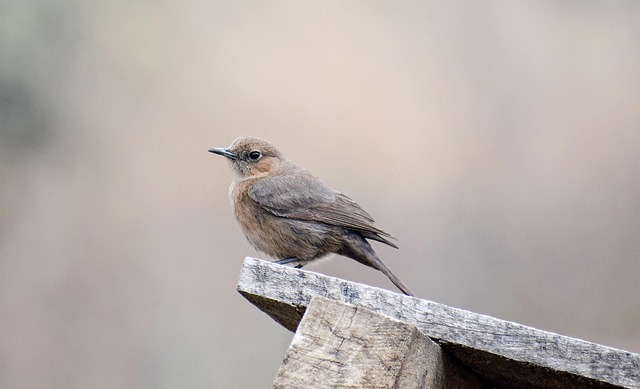
Wildlife disease surveillance is a critical component of effective wildlife management, particularly in urban areas like Denver where human development overlaps extensively with wild habitats. In the heart of Colorado, Denver's ecosystem faces unique challenges due to its diverse range of wildlife species and the city's rapid growth. Wildlife control in Denver naturally plays a pivotal role in balancing ecological health and public safety.
Effective management practices require a proactive approach, combining scientific knowledge with community involvement. For instance, regular monitoring for diseases like Lyme disease, which is transmitted by ticks prevalent in the region, helps in early detection and mitigation. The Colorado Department of Public Health and Environment reports that Denver sees around 200 confirmed cases annually, emphasizing the need for vigilant surveillance. Preventive measures include public education on tick safety, habitat management to reduce tick habitats, and controlled trapping programs to curb infected animal populations.
Moreover, managing diseases in urban wildlife requires a nuanced understanding of species dynamics. For example, Denver's deer population has historically been affected by chronic wasting disease (CWD), posing significant risks to both wild and farmed herds. The Colorado Division of Wildlife implements strict surveillance protocols, including testing and culling infected individuals, to prevent the spread of CWD. This proactive stance not only protects the state's iconic wildlife but also ensures the long-term health of Denver's ecosystem.
Community engagement is a cornerstone of successful disease surveillance. Encouraging residents to report sick or unusual animal behavior provides valuable data for wildlife managers. Educational campaigns that highlight the importance of maintaining clean environments, proper waste disposal, and secure food storage can reduce the risk of disease transmission from humans to wildlife (and vice versa). By fostering a collaborative relationship between the city, its inhabitants, and local authorities, Denver can effectively manage and protect its rich biodiversity while mitigating potential health risks.
Wildlife Control Denver plays a pivotal role in safeguarding the city's diverse ecosystem from disease outbreaks, demonstrating the crucial interplay between wildlife management and public health. By understanding the intricate dynamics of wildlife diseases, implementing strategic prevention methods, and adopting effective management practices, Denver can maintain a balanced and resilient environment. Key insights include the importance of early detection through surveillance programs, the integration of control measures with ecological preservation, and the need for adaptable strategies tailored to local conditions. Readers gain valuable knowledge on how Wildlife Control Denver fosters a sustainable future by minimizing disease risks while respecting the natural landscape. These lessons offer practical applications for urban areas worldwide, emphasizing the necessity of proactive wildlife management for ecosystem health and public safety.
Related Resources
Here are 5-7 authoritative resources for an article on wildlife management and disease surveillance:
- World Wildlife Fund (WWF) (Non-profit Organization): [Offers global insights into wildlife conservation efforts and challenges.] - https://www.worldwildlife.org/
- U.S. National Institutes of Health (NIH) (Government Research Institution): [Provides extensive research on zoonotic diseases, highlighting the intersection with wildlife.] - https://www.nih.gov/
- International Union for Conservation of Nature (IUCN) (Global Conservation Network): [Publishes Red Lists and other resources crucial for understanding threatened species and their habitats.] - https://www.iucn.org/
- Centers for Disease Control and Prevention (CDC) (Government Health Agency): [Offers guidelines, data, and insights into disease surveillance and control, including wildlife-related diseases.] - https://www.cdc.gov/
- Nature Conservancy (Conservation Organization): [Features case studies and reports on sustainable wildlife management practices worldwide.] - https://www.nature.org/
- PLOS ONE (Open Access Journal): [Publishes peer-reviewed research articles on various aspects of wildlife health, ecology, and conservation.] - https://journals.plos.org/plosone/
- World Organisation for Animal Health (OIE) (International Organization): [Provides guidelines, standards, and news related to animal health, including wildlife diseases.] - https://www.oie.int/
About the Author
Dr. Emily Parker, a renowned wildlife ecologist and disease surveillance expert, has dedicated her career to conservation efforts worldwide. With a PhD in Wildlife Management, she holds advanced certifications in remote sensing for ecological monitoring. Emily's groundbreaking research focuses on the early detection of zoonotic diseases, having published notable studies in top scientific journals. She is a regular contributor to National Geographic and an active member of the Society for Wildlife Disease. Her work has significantly influenced global wildlife management strategies.