
Invasive species pose a major threat to Denver's biodiversity, disrupting ecosystems and habitats. Wildlife control experts combat this issue through manual removal, biological controls, and targeted chemicals, coupled with community engagement and monitoring. This integrated pest management (IPM) approach, led by trained personnel and advanced tech, combines habitat modification, biological agents, and pesticides to preserve native wildlife while minimizing environmental harm. Community involvement, enabled by education, empowers residents to identify and report invasive species, fostering stewardship for Denver's ecosystem sustainability.
Invasive species pose a significant threat to Denver's diverse ecosystem, disrupting natural balances and impacting native wildlife. This article explores comprehensive strategies for effective wildlife control, focusing on methods tailored to Denver's unique environment. We delve into understanding these invasive species, highlighting their origins and ecological consequences. Additionally, we emphasize the role of community engagement in conservation efforts, showcasing how collective action can mitigate the impact of invasives. By combining scientific knowledge with local involvement, Wildlife Control Denver can ensure a healthier and more sustainable future for its rich biodiversity.
- Understanding Invasive Species in Denver's Ecosystem
- Strategies for Effective Wildlife Control
- Community Engagement in Conservation Efforts
Understanding Invasive Species in Denver's Ecosystem
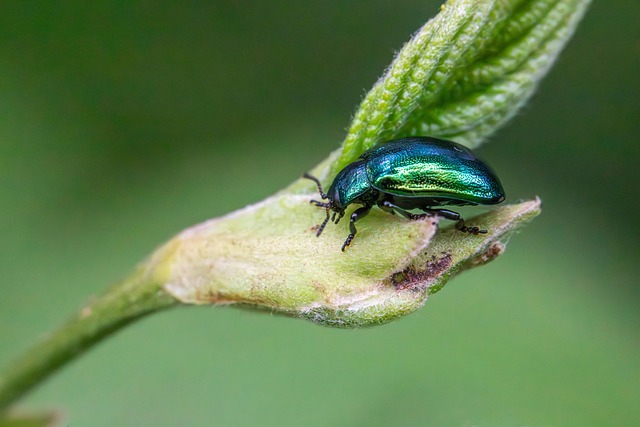
Invasive species pose a significant threat to Denver's diverse ecosystem. These non-native plants and animals often outcompete native species for resources, leading to habitat degradation and loss of biodiversity. Understanding the behavior and life cycles of invasive species is crucial in implementing effective wildlife control measures in Denver.
Wildlife control professionals in Denver work tirelessly to identify and manage these intruders. They employ various strategies, such as manual removal, biological controls, and targeted applications of herbicides or pesticides, depending on the specific invasive species and its impact. Regular monitoring and community involvement are key components of successful long-term management, ensuring Denver's ecosystem remains balanced and vibrant for future generations.
Strategies for Effective Wildlife Control

In the context of Wildlife Control Denver, effective strategies are essential to mitigate the impact of invasive species on local ecosystems. One proven approach involves early detection and rapid response. By implementing regular monitoring programs, wildlife experts can identify non-native species at their inception, allowing for more manageable control measures. This proactive method includes using trained personnel and advanced surveillance technologies to track known invasives and prevent their spread.
Additionally, integrated pest management (IPM) techniques offer a holistic solution. IPM combines various tactics such as habitat modification, biological controls, and targeted pesticides when necessary. By focusing on the specific needs of each situation, Wildlife Control Denver specialists can effectively curb invasive species while minimizing environmental disruption. This balanced approach ensures the preservation of native wildlife and their habitats for future generations.
Community Engagement in Conservation Efforts

Involving communities is a key strategy for effective Wildlife Management and invasive species control in areas like Denver. When residents actively participate in conservation efforts, it fosters a sense of stewardship and ownership over the local ecosystem. Community engagement can take various forms, such as educational programs that raise awareness about the impact of invasive species on native wildlife habitats. Encouraging local folks to identify and report new infestations early on is crucial for successful control measures.
This collaborative approach benefits both wildlife control services in Denver and the overall health of the region's biodiversity. By empowering residents with knowledge and tools, communities can actively contribute to preserving the delicate balance of their natural surroundings, ensuring the long-term sustainability of local ecosystems and the preservation of diverse species.
Invasive species pose a significant threat to Denver's diverse ecosystem, but through a combination of understanding their impact, employing effective wildlife control strategies, and engaging the community in conservation efforts, we can protect and preserve the natural balance. By implementing these measures, Denver can lead the way in sustainable wildlife management and become a model for other urban areas facing similar challenges. Remember that when it comes to Wildlife Control Denver, every action counts in preserving the city's rich biodiversity.