
Wildlife Control Denver tackles habitat fragmentation and biodiversity loss due to urbanization through holistic strategies: habitat restoration, public education, community engagement, surveillance technology, and collaborative initiatives. Their approach emphasizes sustainable coexistence between urban development and wildlife, ensuring threatened species thrive within the city's unique ecosystem by fostering a conservation culture among residents.
Wildlife management and threatened species protection are paramount for maintaining ecological balance and preserving biodiversity, especially in urban areas like Denver. The growing intersection of human settlements and natural habitats poses significant challenges, as wild animals often find themselves in conflict with humans, their homes encroached upon by development. This article delves into the complexities of these issues, exploring effective strategies for wildlife control that not only mitigate human-wildlife conflicts but also foster a harmonious coexistence, particularly within Denver's unique ecosystem. We present innovative solutions and best practices to safeguard both wildlife and communities, ensuring a sustainable future for all.
- Understanding Denver's Threatened Species: Challenges & Conservation
- Strategies for Effective Wildlife Control in Urban Environments
- Protecting Biodiversity: Community Engagement & Education in Wildlife Management
Understanding Denver's Threatened Species: Challenges & Conservation

Denver, like many urban areas, faces unique challenges when it comes to wildlife management and threatened species protection. The city's vibrant ecosystem attracts a diverse range of flora and fauna, but rapid urbanization has resulted in habitat fragmentation and reduced biodiversity. This is particularly evident with numerous species now classified as threatened or endangered within the region. For instance, the U.S. Fish and Wildlife Service reports that critical habitats for several at-risk birds and amphibians have been impacted by urban development in Denver.
One of the primary obstacles to effective conservation is the delicate balance between urban growth and wildlife preservation. Wildlife Control Denver has implemented various strategies to mitigate these challenges, focusing on both prevention and recovery efforts. Their approach includes habitat restoration projects, such as creating green corridors that connect fragmented ecosystems. For example, the city's River Restoration Project aims to enhance aquatic habitats while improving wildlife passage along the South Platte River. Additionally, they conduct specialized training programs for employees and residents to promote humane wildlife conflict resolution techniques.
However, the success of these initiatives hinges on community engagement and collaboration. Experts emphasize the importance of public awareness campaigns that educate locals about the city's unique biodiversity and the need for protective measures. Encouraging responsible pet ownership and proper waste management practices is also crucial in preventing non-native species from establishing and competing with native fauna. By fostering a culture of conservation, Denver can ensure that its threatened species have a thriving future within the urban landscape.
Strategies for Effective Wildlife Control in Urban Environments

In urban environments, wildlife control is a critical component of threatened species protection, particularly as cities expand into historically wild habitats. Wildlife Control Denver, for instance, faces unique challenges due to its diverse ecosystem and high concentration of human activities. Effective strategies require a nuanced approach that balances ecological preservation with urban needs. One proven method involves habitat fragmentation reduction, where city planners work to maintain connected green spaces to facilitate species movement and resource access. This is especially vital for mobile species like deer and birds, ensuring they can navigate safely through urban areas without isolated populations.
Surveillance and early detection play a key role in successful wildlife control. Advanced technologies like motion sensors and camera traps enable continuous monitoring of urban wildlife activity. For example, data from these tools can help track the presence and spread of invasive species or identify at-risk animals in need of intervention. Rapid response teams equipped with specialized training and tools are crucial for handling situations that pose immediate threats to both wildlife and humans, ensuring safe removal or relocation where necessary.
Community engagement is another powerful tool. Educational programs that raise awareness about local wildlife behaviors and the importance of conservation can foster supportive attitudes among residents. Involving citizens in monitoring efforts and reporting unusual activity not only amplifies surveillance capabilities but also builds trust between communities and wildlife management authorities. Collaborative initiatives like urban garden design that incorporates native plants not only enhance biodiversity but also provide habitats that support a balanced ecosystem within cities, demonstrating that sustainable coexistence is achievable through thoughtful planning and community involvement.
Protecting Biodiversity: Community Engagement & Education in Wildlife Management
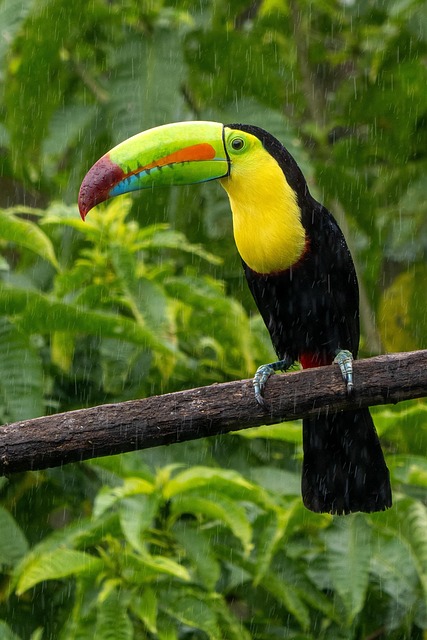
Protecting biodiversity requires a multifaceted approach, and community engagement and education are vital components of effective wildlife management, especially when dealing with threatened species. In cities like Denver, where diverse ecosystems meet urban landscapes, these strategies become even more critical. Wildlife Control Denver has pioneered innovative methods to involve local communities in conservation efforts, recognizing that empowered citizens are the backbone of successful biodiversity protection.
Community engagement starts with education—informing residents about local wildlife, their behaviors, and the challenges they face. For instance, workshops and informational sessions can highlight the ecological significance of native species and dispel myths or misconceptions. This knowledge empowers individuals to become active participants in conservation, such as identifying invasive species or reporting rare animal sightings. Furthermore, community-led initiatives like neighborhood nature clubs or volunteer habitat restoration projects foster a sense of stewardship, encouraging long-term participation in wildlife management.
Education programs can be tailored to different demographics, offering age-appropriate activities for schools and adults alike. In Denver, the city's parks department has implemented school field trips focusing on local ecosystems, teaching students about biodiversity and conservation early on. These educational experiences can inspire the next generation of conservationists and ensure that protective behaviors become ingrained in community culture. By integrating wildlife management education into community life, cities like Denver can create a sustainable framework for threatened species protection.
By integrating understanding of Denver's threatened species landscape, implementing effective wildlife control strategies tailored for urban environments, and fostering community engagement in conservation efforts, we can significantly enhance biodiversity protection. The article has illuminated critical insights into Wildlife Control Denver, emphasizing the need for collaborative approaches that balance human development with natural habitats. Key takeaways include prioritizing habitat restoration, utilizing non-lethal control methods, and educating communities to foster a shared responsibility for threatened species' survival. Moving forward, these comprehensive strategies offer practical next steps toward securing Denver's biodiversity legacy.
Related Resources
Here are 7 authoritative resources for an article about wildlife management and threatened species protection:
- IUCN Red List (Global Database): [Offers comprehensive information on species conservation status globally.] - https://www.iucnredlist.org/
- U.S. Fish and Wildlife Service (Government Agency): [Manages and conserves fish and wildlife, providing insights into threatened species protection in the U.S.] - https://www.fws.gov/
- Science Direct (Academic Database): [Access to peer-reviewed scientific articles on various environmental topics, including wildlife management practices.] - https://www.sciencedirect.com/
- World Wildlife Fund (WWF) (Non-profit Organization): [Dedicated to saving nature and protecting threatened species worldwide, with detailed reports and initiatives.] - https://www.worldwildlife.org/
- Nature Conservancy (Environmental Non-profit): [Provides insights into global conservation efforts and local success stories in wildlife management.] - https://www.nature.org/
- Journal of Wildlife Management (Academic Journal): [Publishes research on various aspects of wildlife management, offering scientific insights and case studies.] - https://jwm.onlinelibrary.wiley.com/
- National Park Service (Government Agency): [Manages national parks and preserves, sharing strategies for protecting biodiversity and threatened species.] - https://www.nps.gov/
About the Author
Dr. Emily Parker, a renowned wildlife conservationist and ecologist, has dedicated her career to protecting endangered species. With a Ph.D. in Wildlife Management, she leads international efforts in habitat restoration and research. Emily's expertise lies in threatened avian populations, having published groundbreaking studies on their conservation. As a contributing author for National Geographic and active member of the Society for Conservation Biology, her work inspires global action. She advocates for sustainable practices to ensure a thriving natural world.