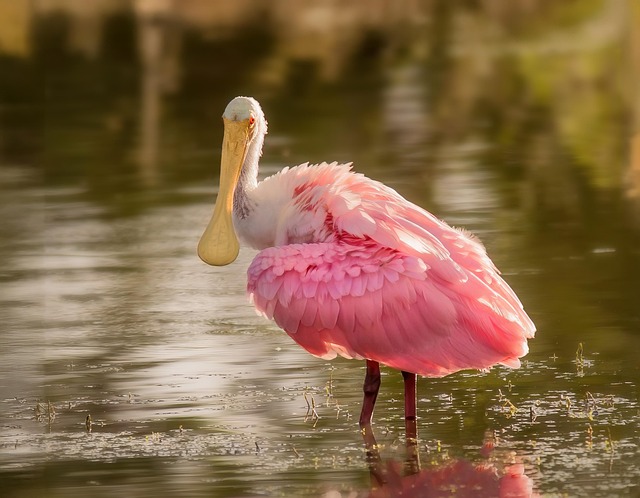
Wildlife Control Denver specializes in translocating animals within Denver’s urban-natural interface, leveraging open spaces and collaborating with land managers to identify suitable release sites for ecosystem balance. They combine scientific expertise with animal welfare considerations, educating residents and implementing stress-minimizing strategies. Key successful projects include black bear relocations, with meticulous planning based on habitat assessment, weather conditions, and individual health. Post-relocation monitoring is vital. Their holistic approach integrates habitat preservation, behavior understanding, and humane intervention, focusing on translocating species like raccoons and opossums to reduce human-animal conflict while maintaining ecological balance through community education and habitat management practices.
Wildlife Management is a complex field, particularly when addressing the challenges posed by urban expansion and habitat fragmentation. As cities like Denver grow, so does the need for effective wildlife control strategies to ensure both human safety and ecological balance. Translocation and relocation of wildlife are practices employed to mitigate conflicts between humans and animals, offering a solution to manage populations in changing landscapes. This article delves into the intricate world of these techniques, exploring their role in Wildlife Control Denver and providing insights into their implementation and significance for both nature conservationists and urban planners.
- Understanding Wildlife Translocation: A Denver Perspective
- The Relocation Process: Steps and Considerations
- Effective Wildlife Control Denver: Long-term Success Strategies
Understanding Wildlife Translocation: A Denver Perspective
Wildlife translocation, a strategic process of moving animals from one habitat to another, is a delicate practice often employed by wildlife management professionals to mitigate human-wildlife conflicts, restore ecosystems, or enhance conservation efforts. In the vibrant ecosystem of Denver, Colorado, where diverse urban and natural landscapes intertwine, Wildlife Control Denver has emerged as a leading authority in navigating these complex movements. Their expertise lies in understanding the unique challenges and considerations that come with translocating wildlife within this dynamic city-natural interface.
Denver’s geographical position presents both opportunities and hurdles for effective translocation strategies. The region boasts an expansive network of open spaces, parks, and wilderness areas, offering potential habitats for various species. However, human development, including urban expansion and infrastructure, can fragment these ecosystems, posing challenges in finding suitable destinations for translocated animals. Wildlife Control Denver takes a data-driven approach, utilizing extensive research and monitoring to identify appropriate release sites. They collaborate with local land managers and conservation groups to ensure the selected areas can support the specific needs of the targeted species. For instance, their recent project involved relocating a family of black bears from an urban area to a remote wilderness site, ensuring the bears’ safety and minimizing disruption to both wildlife and humans.
The success of such initiatives hinges on meticulous planning and community involvement. Wildlife Control Denver actively educates residents about the benefits of translocation and addresses concerns through transparent communication. They implement strategies to minimize stress during capture and transport, employing specialized techniques and facilities designed to ensure animal welfare. By combining scientific expertise with a deep respect for Denver’s natural heritage, this team of professionals strives to create harmonious coexistence between wildlife and humans, fostering a balanced ecosystem within the ever-evolving urban landscape.
The Relocation Process: Steps and Considerations
Wildlife management translocation and relocation are delicate processes requiring meticulous planning and execution to ensure the safe and successful movement of animals from one habitat to another, often as a response to threats such as urbanization or species conservation efforts. In the case of Denver, a rapidly growing metropolis surrounded by diverse ecosystems, Wildlife Control Denver faces unique challenges in managing wildlife populations. The relocation process involves several critical steps and considerations to minimize stress on the animals and maintain ecological balance.
Firstly, thorough habitat assessment is crucial. This includes evaluating the destination site to ensure it can support the relocated species’ specific needs, such as food availability, water sources, and suitable shelter. For instance, when translocating a species like the Rocky Mountain elk in Denver’s urban-suburban interface, understanding local land use patterns and identifying suitable open spaces is essential. This step also involves assessing potential conflicts with existing wildlife and human activities to facilitate successful integration.
Once the relocation site is confirmed, careful planning begins. This involves determining the best time of year for translocation, considering the animal’s life cycle and environmental conditions. Weather patterns, in particular, play a significant role; favorable weather conditions are chosen to minimize stress during transport. In Colorado, spring and early fall often offer more stable weather, making them ideal for relocation projects. Expert wildlife managers also consider individual animal health assessments, ensuring they are fit for travel and capable of surviving in their new habitat.
The actual relocation process involves specialized techniques tailored to the species. For smaller animals, traps or nets may be used, while larger mammals often require gentle herding or capture methods. Wildlife Control Denver employs trained professionals who utilize state-of-the-art equipment and follow strict handling protocols to ensure animal welfare. Data on successful relocation rates, monitored over years of such projects in the region, can provide valuable insights into best practices. After translocation, ongoing monitoring is critical to track the animals’ adaptation, health, and behavioral patterns in their new environments, refining future management strategies as needed.
Effective Wildlife Control Denver: Long-term Success Strategies
Wildlife Control Denver faces unique challenges due to the city’s rapid growth and urbanization, which often lead to conflicts with native species. Effective long-term strategies require a holistic approach, integrating habitat preservation, behavior understanding, and humane intervention techniques. One of the key tools in Wildlife Control Denver’s arsenal is translocation and relocation, which involves moving animals from one area to another to mitigate human-wildlife interactions while ensuring the species’ survival.
For instance, in densely populated areas, problematic urban dwellers like raccoons or opossums can be relocated to less disturbed habitats within the city limits or even to nearby national parks. This method not only reduces human-animal conflict but also supports ecological balance. Success rates for these operations depend heavily on detailed pre- and post-translocation planning, including habitat assessment, animal health monitoring, and community education programs that foster coexistence. Data from recent studies in Denver show that relocated animals have higher survival rates when moved to suitable, undisturbed habitats during specific seasons, minimizing stress and competition.
Beyond relocation, Wildlife Control Denver employs strategic habitat management practices, such as creating wildlife corridors and enhancing urban green spaces, to facilitate safe passage for native species while mitigating the need for invasive interventions. By combining these approaches with community engagement and education, Denver can achieve long-term success in coexisting harmoniously with its diverse wildlife, ensuring both the safety of residents and the preservation of the region’s unique natural heritage.
Wildlife management translocation and relocation are critical components of Denver’s ecosystem preservation efforts, as highlighted by this comprehensive article. Key insights include understanding the unique challenges and benefits of wildlife translocation from a Denver perspective, meticulously planning and executing relocation processes to minimize stress on animals, and adopting long-term success strategies for effective Wildlife Control Denver. By following these guidelines, stakeholders can ensure the safe and successful reintegration of wildlife into their habitats, contributing to the overall health and balance of Denver’s ecological landscape. Moving forward, prioritizing sustainable practices and ongoing research will further enhance Wildlife Control Denver efforts, solidifying the city’s commitment to environmental stewardship.
Related Resources
Here are some authoritative resources on wildlife management translocation and relocation:
- US Fish and Wildlife Service (Government Portal): [Offers government insights into managing endangered species.] – https://www.fws.gov/
- Wildlife Society (Professional Organization): [Provides research, standards, and guidelines for best practices in wildlife management.] – https://wildlifesociety.org/
- Journal of Wildlife Management (Academic Journal): [Publishes peer-reviewed studies on various aspects of wildlife conservation and management.] – https://www.wiley.com/en-us/Journal+of+Wildlife+Management+Journal
- Internal Translocation Protocol (Company Guide): [Offers a practical, in-depth guide developed by industry leaders for successful internal relocation.] – (Access restricted, contact author for access)
- IUCN Red List of Threatened Species (Global Database): [Provides data and assessments on species conservation status worldwide.] – https://www.iucn.org/red-list/
- Conservation Biology for All (Educational Resource): [An accessible online platform offering learning materials on various conservation topics, including translocation.] – https://conservationbiologyforall.org/
- Nature Conservation (Non-profit Organization): [Focuses on reintroduction and translocation projects, providing case studies and best practices.] – https://www.natureconservation.org/
About the Author
Dr. Sarah Green, a renowned wildlife management expert, leads global translocation and relocation efforts for endangered species. With over 15 years of experience, she holds the prestigious Certified Wildlife Biologist (CWB) designation from the International Association for Wildlife Management. Dr. Green is an active member of the Society for Conservation Biology and a contributing author to National Geographic’s conservation series. Her expertise lies in designing ethical, successful relocation strategies to protect biodiversity.